Bee knowledge


Bees play a crucial role in the ecosystem, being responsible for pollinating about 75% of the world's cultivated plants. This includes a variety of fruits and vegetables essential for human nutrition. It is estimated that bees are responsible for pollinating plants that generate an economic value of over 150 billion Euros annually.

The different types of bees, including honey bees, wild bees, and bumblebees, contribute to pollination in various ways. Honey bees are particularly efficient as they live in large colonies and can pollinate a wide range of plants in a short time. Wild bees, on the other hand, are often specialized and visit specific plant species, which also makes their role in the ecosystem important.

However, bee populations have significantly declined in recent decades. Factors such as pesticides, habitat loss, and diseases have led to a decrease in bee species. Studies show that in some regions, pollinator populations have dropped by up to 30%. This decline not only affects biodiversity but also agriculture and food supply.

To support bee populations, it is important to take measures that protect and promote their habitats. These include creating bee-friendly gardens, using pesticide-free farming methods, and supporting local beekeepers. It is estimated that creating bee-friendly habitats can increase pollinator populations by up to 50%.

In summary, bees are not only important for plant pollination but also for maintaining a healthy ecosystem. The conservation and promotion of bee populations are crucial for the future of agriculture and food supply. Through targeted measures, we can help protect bees and secure their vital role in nature.


Werdegang

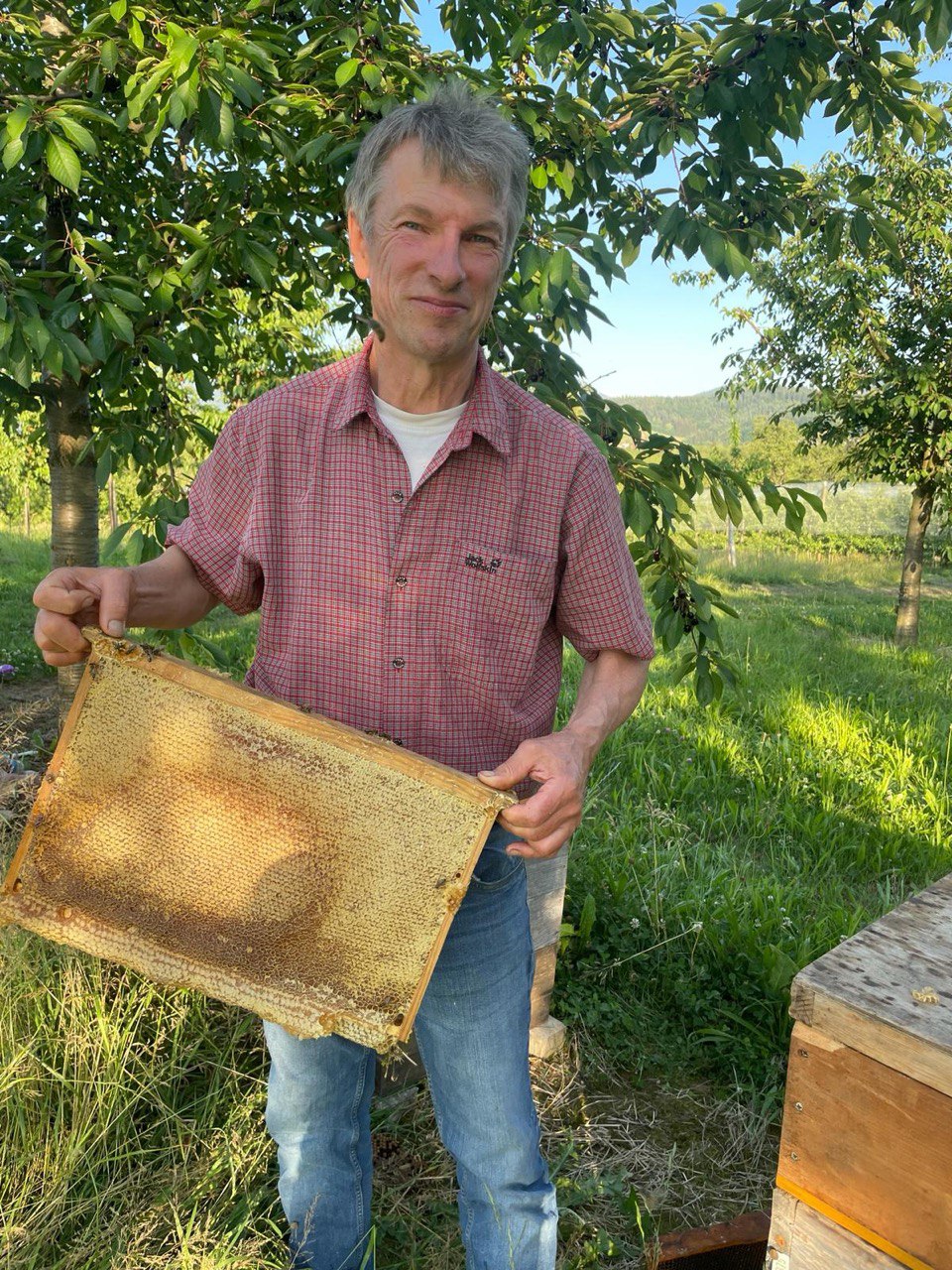
Seit 1975 faszinieren mich Bienen, und bereits mit 12 Jahren erwarb ich 1976 meine ersten eigenen Bienenvölker. Mit dem Auftreten der Varroamilbe und dem vermehrten Einsatz moderner Pflanzenschutzmittel standen die Bienen vor großen Herausforderungen, was mich dazu bewegte, mich intensiv für ihr Wohl einzusetzen.

1993 entschied ich mich, als einer der ersten Bioimker tätig zu werden, mit der Überzeugung, dass die Förderung der ökologischen Landwirtschaft essenziell für das Überleben der Bienen ist. Heute betreibe ich, gemeinsam mit zwei festangestellten Mitarbeitern und saisonalen Praktikanten, rund 600 Wirtschaftsvölker.

Mein Fokus liegt auf dem Wohl der Bienen und der Qualität unseres Honigs. Wir halten unsere Völker nach den Richtlinien von Bioland und Tierwohl, wählen Standorte sorgfältig in Absprache mit Landwirten und Grundstückseigentümern aus und legen Wert auf eine Völkerführung, die die Honigqualität fördert. Unsere Bienen bauen ihre Waben jährlich neu, was den Geschmack und den Wassergehalt des Honigs positiv beeinflusst.

Durch das Wandern in verschiedene Trachtgebiete können wir bis zu 15 verschiedene Honigsorten anbieten, um vielfältige Geschmäcker zu bedienen. Zukünftig planen wir, unser Angebot mit Frischpollenhonig und Wabenhonig zu erweitern. Ein besonderes Anliegen ist mir die Zucht varroatoleranter Bienen, um die Gesundheit unserer Völker nachhaltig zu sichern.